As we recognize Children’s Grief Awareness Month this November, we pause to honor the nearly 6.5 million children who will experience the death of a parent or sibling by the age of 18. Navigating meaningful support and advocating for children in your care requires developing a better understanding of childhood grief.
Part of that support begins with changing the narrative around misinformation about how children grieve. There are many who still refer to grief in terms of stages, but grief is complex. Not every child experiences grief in the same way. The idea that children are too young to understand what’s happening or that they will just adapt and bounce back quickly? That’s a myth. Children do grieve, and it’s important to talk with them in age-appropriate and honest ways.
Below, we’re sharing some of the most common myths about children’s grief, and how we can begin to approach them with greater compassion and understanding.
MYTH: The goal is to “get over” the death of someone you love.
Grief can be a lifelong process that changes over time. For children, it’s important to accept the reality of the loss, learn healthy coping skills, and learn to maintain a connection to their loved one.
MYTH: Everyone grieves the same way.
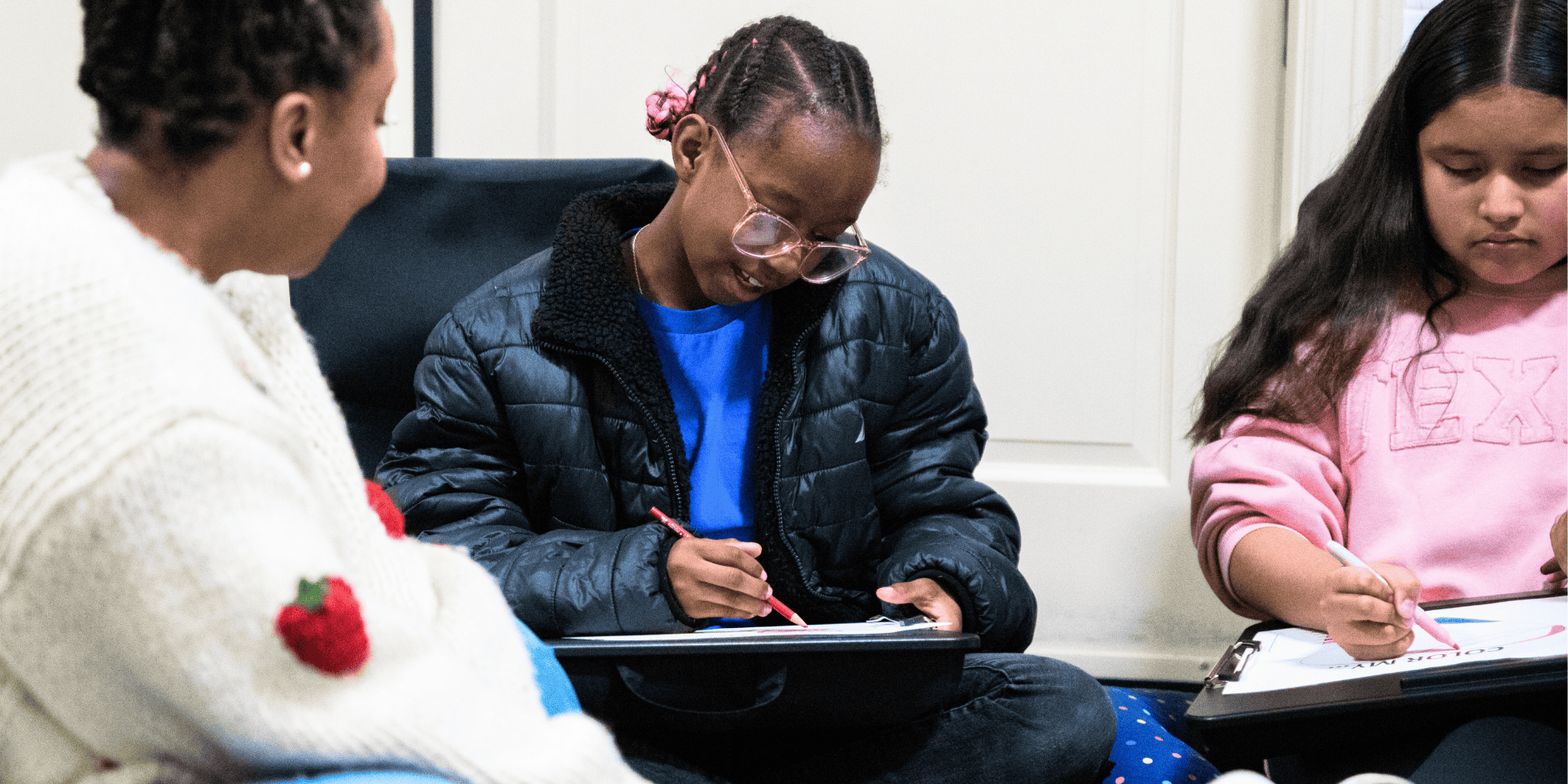
Grief is both universal and extremely personal—we all grieve differently. Some children process emotions through play, some through talking, and others process internally. Especially within families, it is important to remember that everyone is grieving in their own way.
MYTH: Staying busy is the best way to help children who are grieving.
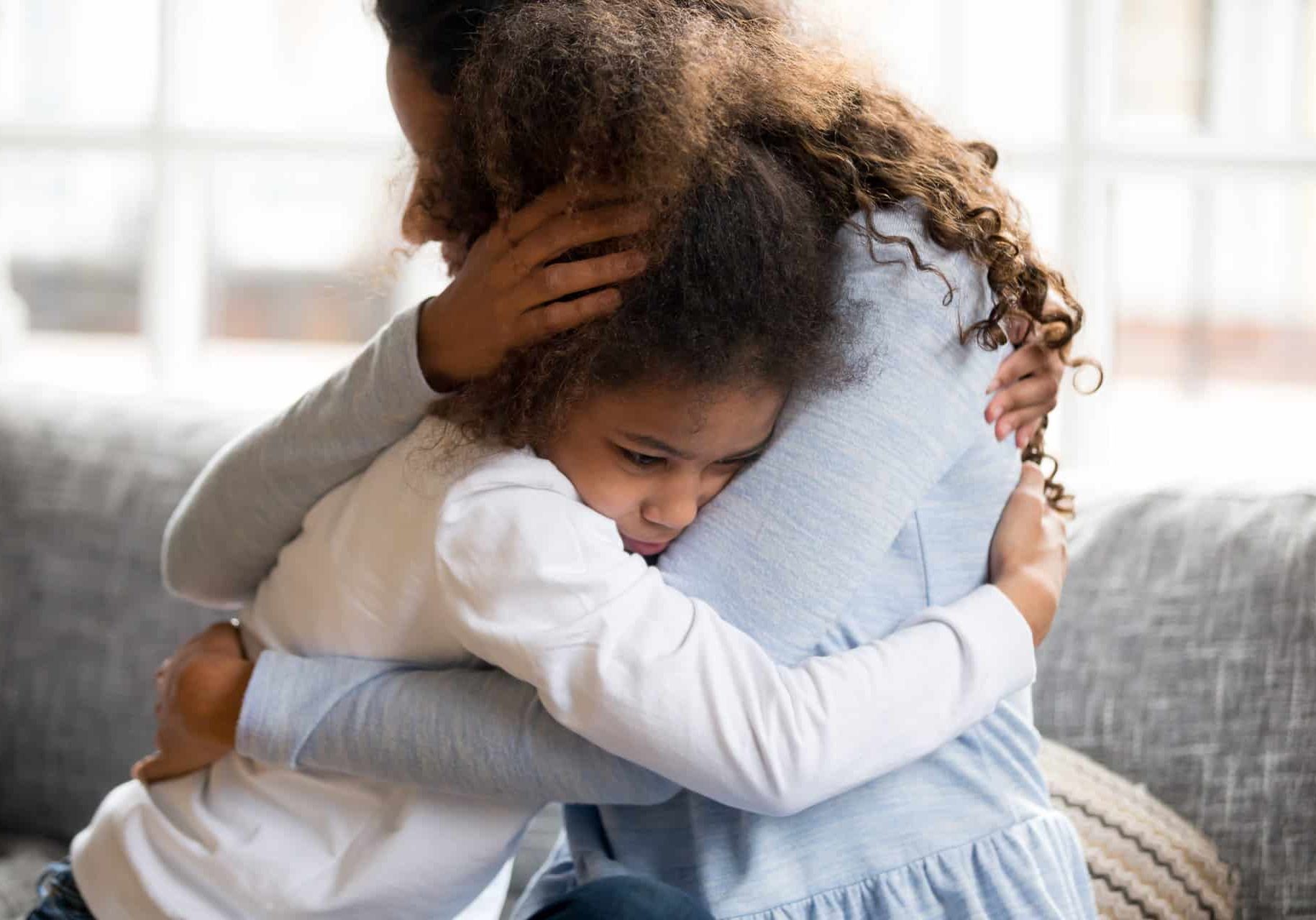
It’s important to give children time and space to grieve. Staying busy doesn’t make feelings of grief go away. It only prevents children from being able to express their feelings.
Click here to read more of the common myths about grief. If you’re interested in additional resources for supporting grieving children, we have numerous helpful articles on our WARM Place website here. Every child deserves to grieve in a space filled with love, understanding, and hope – and that begins with each of us.